
The Secret Life of Urban Bees: Why Your City Needs Them More Than Ever

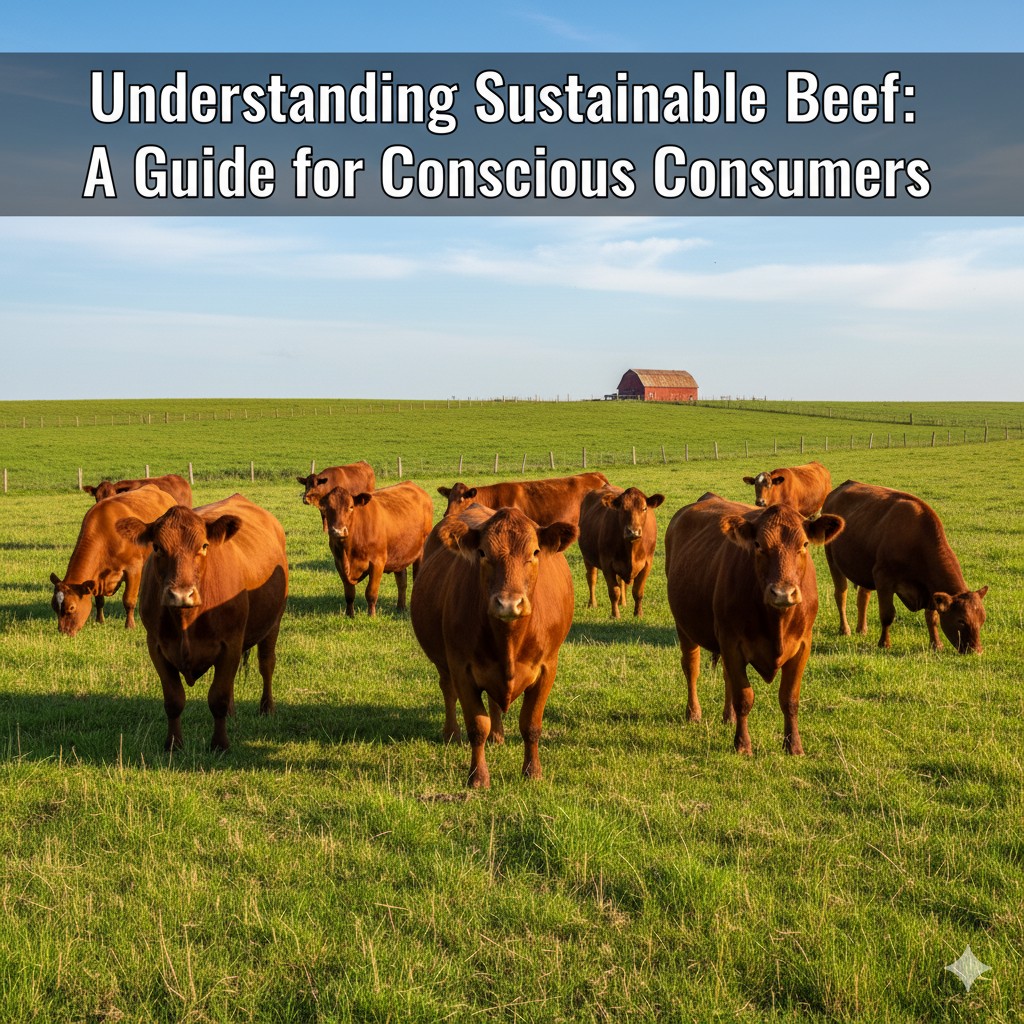
The conversation around beef often revolves around its environmental impact, but for many, it remains a cherished part of their diet. The good news is that not all beef is created equal, and understanding the principles of sustainable beef production can empower you to make more informed choices.
What Does “Sustainable Beef” Really Mean?
Sustainable beef production prioritizes practices that minimize environmental harm, promote animal welfare, and support economic viability for farmers. This can include:
- Rotational Grazing: Moving cattle regularly to fresh pastures allows grasslands to recover, improving soil health, sequestering carbon, and enhancing biodiversity.
- Reduced Inputs: Sustainable farms often aim to reduce the use of synthetic fertilizers, pesticides, and excessive water, relying more on natural ecosystem processes.
- Animal Welfare: High standards for animal welfare, providing ample space, natural diets, and stress-free environments, are central to ethical and sustainable farming.
- Local Sourcing: Buying beef from local, sustainable farms reduces transportation emissions and supports local economies.
Why Choose Sustainable Beef?
Choosing sustainable beef isn’t just about feeling good; it’s about supporting a food system that:
- Protects the Environment: Healthier soils, improved water quality, and preserved habitats are direct benefits.
- Promotes Animal Health: Animals raised in natural, low-stress environments are generally healthier and require fewer interventions.
- Supports Farmers: It helps sustain farming practices that are better for the land and the animals, ensuring a future for responsible agriculture.
While sustainable beef might come at a slightly higher price point, many consumers find the benefits—for the planet, the animals, and their own peace of mind—to be well worth the investment. It’s about consciously choosing quality over quantity and supporting a more responsible approach to food production.